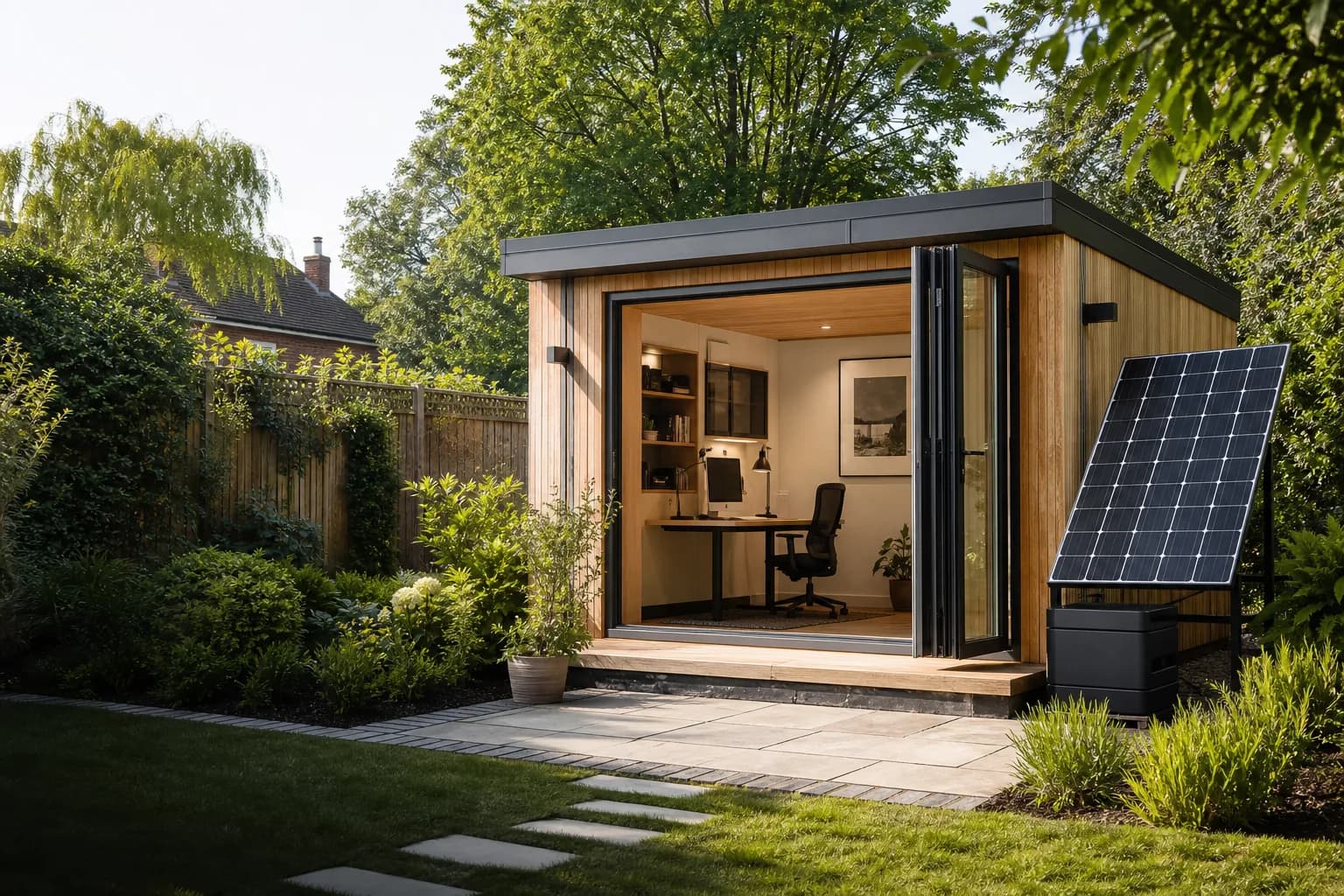
Portable off-grid power
Portable power stations for garden offices
Compare daily watt-hours, peak watts and solar input for laptops, screens, Wi-Fi and lighting—not socket counts or vague “solar generator” labels.
Reviewed 24 July 2026 · Portable off-grid products must never backfeed a household socket.
The four figures that matter
- Battery capacity (Wh)
- The headline stored energy. Actual AC energy available will be lower because of reserve, conversion and standby losses.
- Continuous inverter output (W)
- The total AC load the station can sustain. It must cover appliances used at the same time.
- Surge output (W)
- Brief extra output for compatible starting loads. Duration and conditions are product-specific, so check the manual.
- Solar input
- The accepted panel voltage, current and wattage range. Connector compatibility alone does not prove electrical compatibility.
Worked office examples
These examples use assumed running powers and do not describe a particular product. Check appliance labels and manufacturer documents.
| Scenario | Assumptions | Calculated daily use | Selection implication |
|---|---|---|---|
| Occasional desk | 40 W laptop × 4 h; 10 W light × 4 h; phone at 15 W × 1 h | 215 Wh | Allow conversion loss and reserve above 215 Wh |
| Full workday | 50 W laptop × 7 h; 30 W screen × 7 h; 10 W router × 10 h; 10 W light × 5 h | 710 Wh | Usable battery energy and repeatable recharge both matter |
| Larger setup | 120 W desktop × 7 h; two 30 W screens × 7 h; 15 W network × 10 h; 20 W lights × 6 h | 1,530 Wh | A larger battery and inverter are required before adding heating or tools |
A rough runtime method is usable battery Wh divided by the appliance load in watts. It is only a starting point: conversion efficiency, standby consumption, temperature, battery reserve and load variation reduce real runtime. Check a desktop or gaming setup in the computer solar calculator before comparing power stations.
Match the station to the way you work
- For lighting and charging: focus on low standby draw, sufficient usable energy and convenient low-power outputs.
- For a daily office: plan enough energy for the whole workday plus reserve, then check whether solar can restore it under realistic conditions.
- For tools: check continuous and start-up demand from rating plates; do not assume a high-capacity battery has a high-output inverter.
- For occasional backup: identify the essential loads and required hours rather than attempting to run every appliance.
Read the broader garden-office solar guide or compare an integrated unit with a component-based off-grid shed kit.
Solar charging and winter use
A panel's rated watts are measured under standard test conditions. Real charging falls with cloud, shade, poor orientation, low winter sun and system losses. The station may also cap solar input below the panel array's headline rating.
Position panels away from shade cast by the office, trees and fences, and secure them for the location. In winter, reduce loads, start with more stored energy or provide a manufacturer-approved alternative charging route. The PlugInSolarCheck calculator can illustrate broad UK solar variability, but its household savings result is not a power-station runtime forecast.
Why a heater or kettle changes everything
A 1,500 W heater uses 1,500 Wh in an hour and demands 1,500 W from the inverter while running. A 2,000 W kettle for six minutes uses about 200 Wh, but still needs roughly 2,000 W of instantaneous output. Many small office loads together use less power than either appliance.
Improve insulation first and treat electric heating as a separate design decision. Never assume a marketing term such as “high power” means a station can safely supply a specific heater, kettle or tool.
Safe use in a garden building
- Follow the manufacturer's charging, ventilation, temperature, moisture, storage and load instructions.
- Do not cover the unit or place it where exits are obstructed.
- Stop using damaged, swollen, leaking, recalled or unusually hot equipment and follow manufacturer/emergency guidance.
- Protect leads from water, doors, tools and trip damage; do not daisy-chain adaptors or improvise connectors.
- Use a competent electrician for fixed sockets or lighting. A portable station should supply suitable appliances through its intended outlets only.
- Never connect the AC output to a household socket, consumer unit or generator changeover arrangement unless a competent professional has designed an approved system for that purpose.
See the product-types guide and current UK plug-in solar guide for the category distinction.
Garden-office power stations to compare
Use the calculator first, then reject any product whose verified capacity, continuous output, surge output or solar-input limits fall below your requirements.
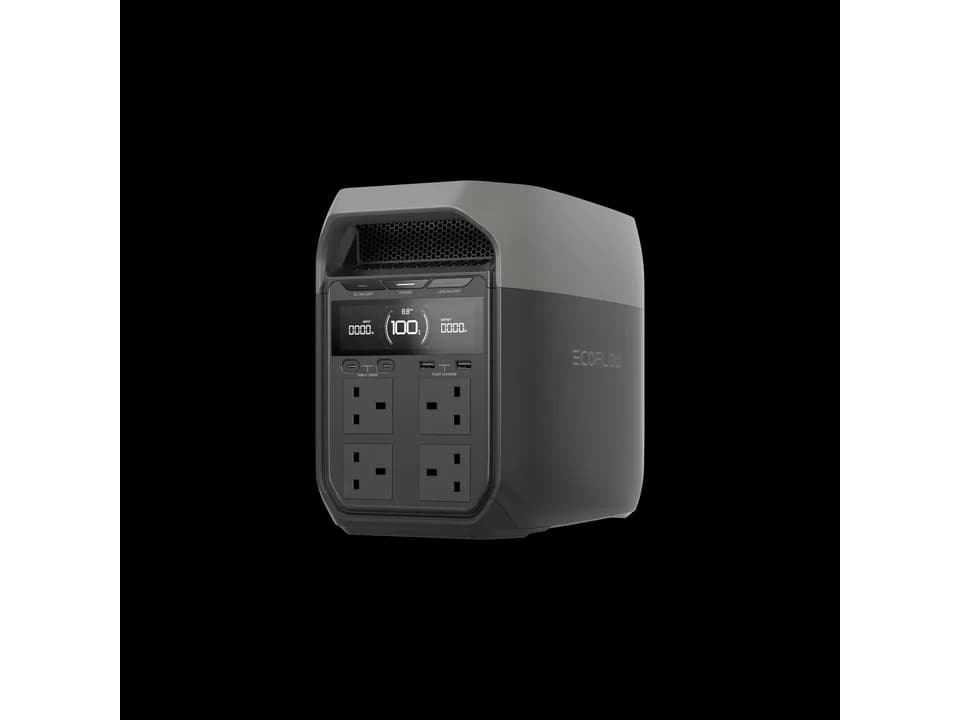
EcoFlow
DELTA 3 Series Portable Power Station
Best for: Daily office and medium loads
- Battery capacity: 1024 Wh
- Continuous output: 1800 W
- Surge output: 3600 W
- Maximum solar input: 500 W
Why this one / checks
An expandable range for office loads that may grow.
Product type: A portable power-station range with multiple capacity or expansion choices.
Check before buying: Match the current manual to your calculator result, intended connections and compatible accessories.
EFEUAFF55% off eligible EcoFlow products · ends 2027-01-01 · check the merchant page before buying.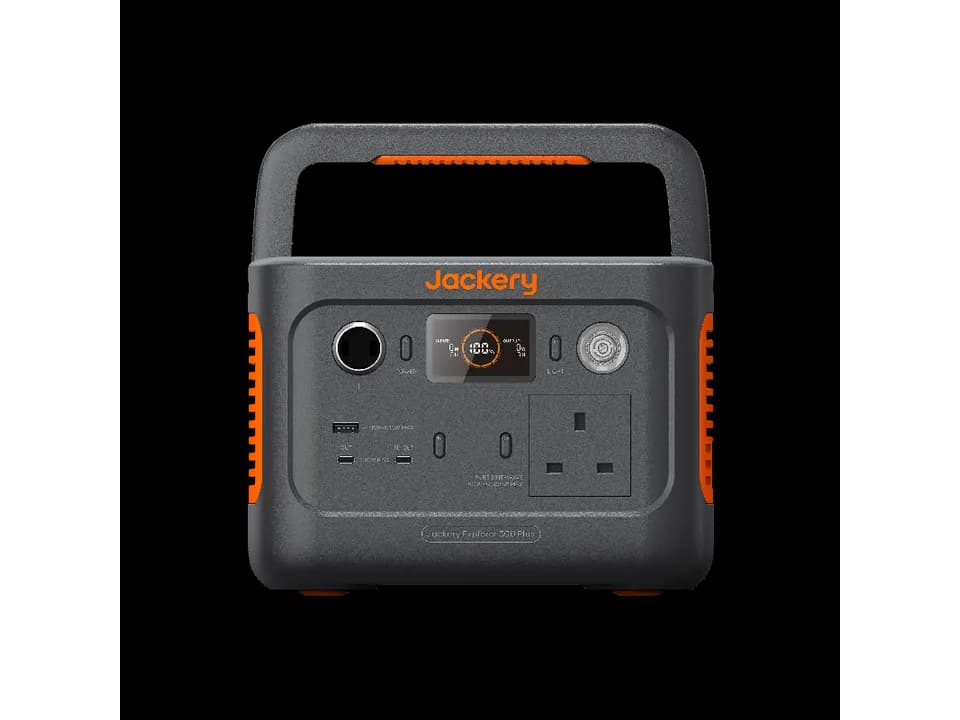
Jackery
Explorer 300 Plus
Best for: Phones, lights & small laptops
- Battery capacity: 288 Wh
- Continuous output: 300 W
- Surge output: 600 W
Why this one / checks
Small laptop, networking, lighting and charging loads.
Product type: An integrated portable battery and inverter for compatible off-grid appliances.
Check before buying: Match the current manual to your calculator result, intended connections and compatible accessories.
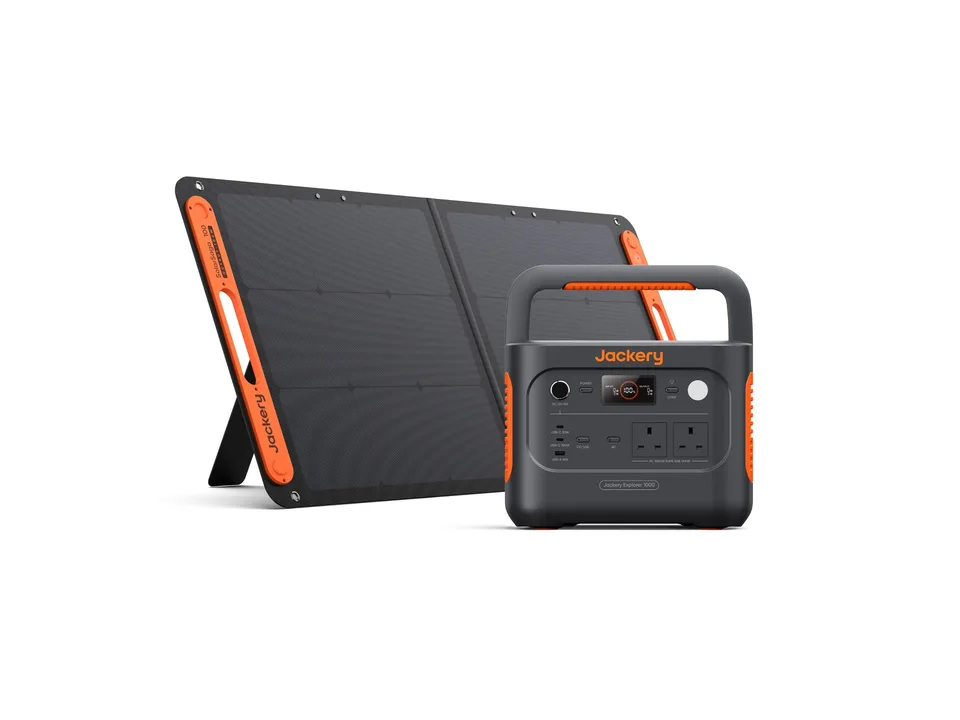
Jackery
Solar Generator 1000 v2
Best for: Daily office and medium loads
- Battery capacity: 1070 Wh
- Continuous output: 1500 W
- Surge output: 3000 W
- Maximum solar input: 400 W
Why this one / checks
A power station and panel bundle for larger measured office loads.
Product type: A power station and solar-panel bundle sold together by the manufacturer.
Check before buying: Match the current manual to your calculator result, intended connections and compatible accessories.
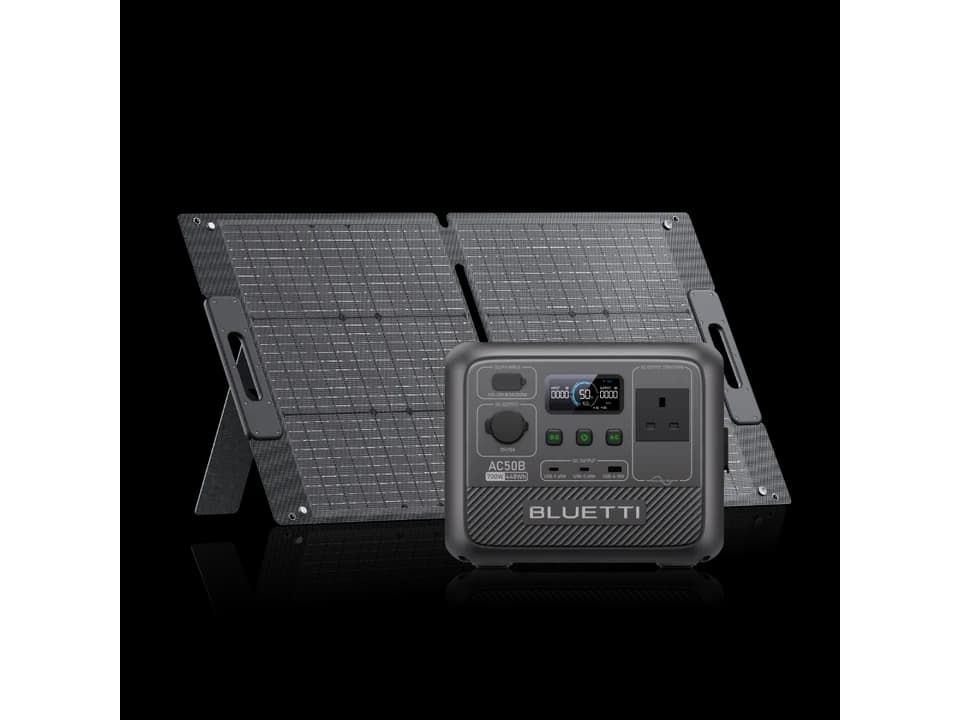
BLUETTI
AC50B with 100W Solar Panel
Best for: Light office and camping loads
- Battery capacity: 448 Wh
- Continuous output: 700 W
- Maximum solar input: 200 W
- Panel power: 100 W
Why this one / checks
A compact power station and panel bundle for modest daily energy needs.
Product type: A power station and solar-panel bundle sold together by the manufacturer.
Check before buying: Match the current manual to your calculator result, intended connections and compatible accessories.
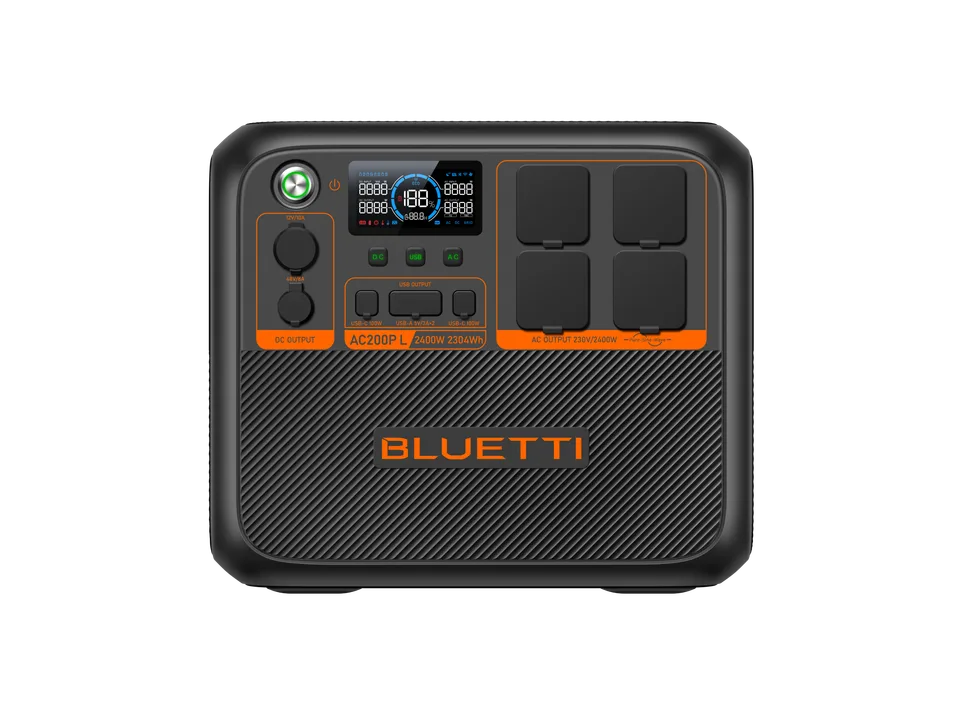
BLUETTI
AC200PL Expandable Power Station
Best for: High-output off-grid loads
- Battery capacity: 2304 Wh
- Continuous output: 2400 W
- Surge output: 7200 W
- Maximum solar input: 1200 W
Why this one / checks
Higher-output appliances where the chosen capacity also meets runtime needs.
Product type: An integrated portable battery and inverter for compatible off-grid appliances.
Check before buying: Match the current manual to your calculator result, intended connections and compatible accessories.
| Product | Verified specifications | Best for | Details |
|---|---|---|---|
| EcoFlow DELTA 3 Series Portable Power Station | Battery capacity: 1024 Wh; Continuous output: 1800 W; Surge output: 3600 W; Maximum solar input: 500 W; Expandable capacity: 1-5 kWh | Daily office and medium loads | View card |
| Jackery Explorer 300 Plus | Battery capacity: 288 Wh; Continuous output: 300 W; Surge output: 600 W | Phones, lights & small laptops | View card |
| BLUETTI AC50B with 100W Solar Panel | Battery capacity: 448 Wh; Continuous output: 700 W; Maximum solar input: 200 W; Panel power: 100 W | Light office and camping loads | View card |
| BLUETTI AC200PL Expandable Power Station | Battery capacity: 2304 Wh; Continuous output: 2400 W; Surge output: 7200 W; Maximum solar input: 1200 W | High-output off-grid loads | View card |